What are school trips for? What are we trying to achieve? Taking students from the rural wilderness of West Dorset and taking them to the hectic chaos that is India offers one of the greatest extremes possible. To show students the world outside of where they live is the aim, whether it be a local beach, woodland, a trip to London or Paris or… a trip to the sub-continent.
When I became a teacher I remembered my experiences of school trips. These were the times that you got to know your teachers and they got to know you. When I became a head of year I would be the first on the coach whether it was measuring lugworm holes at Chesil beach, trips to the theatre or art galleries in London or even further to Paris. But India was an extreme, at the time I went it was beyond what I could organise or be in control.
There were the few moments when I did step up and take responsibility, but not enough. The group split into several groups, never factions, we always stayed together. Gilly had a few girls that stayed close to her while I had the ‘lads’ and I needed their company and spirit to keep me going.
You have to decide how closely under the surface you want to see India. Often you do not have much choice and India was in our face, there are no protective layers. As with any destination in the world there are many faces. The tourist boards and holiday companies want you to be whisked from photo opportunity to photo opportunity. Hotels put up walls to protect you from what is really out there.
We were tourists in Udaipur as we had been tourists in Jaipur. It was our time of rest and relaxation.
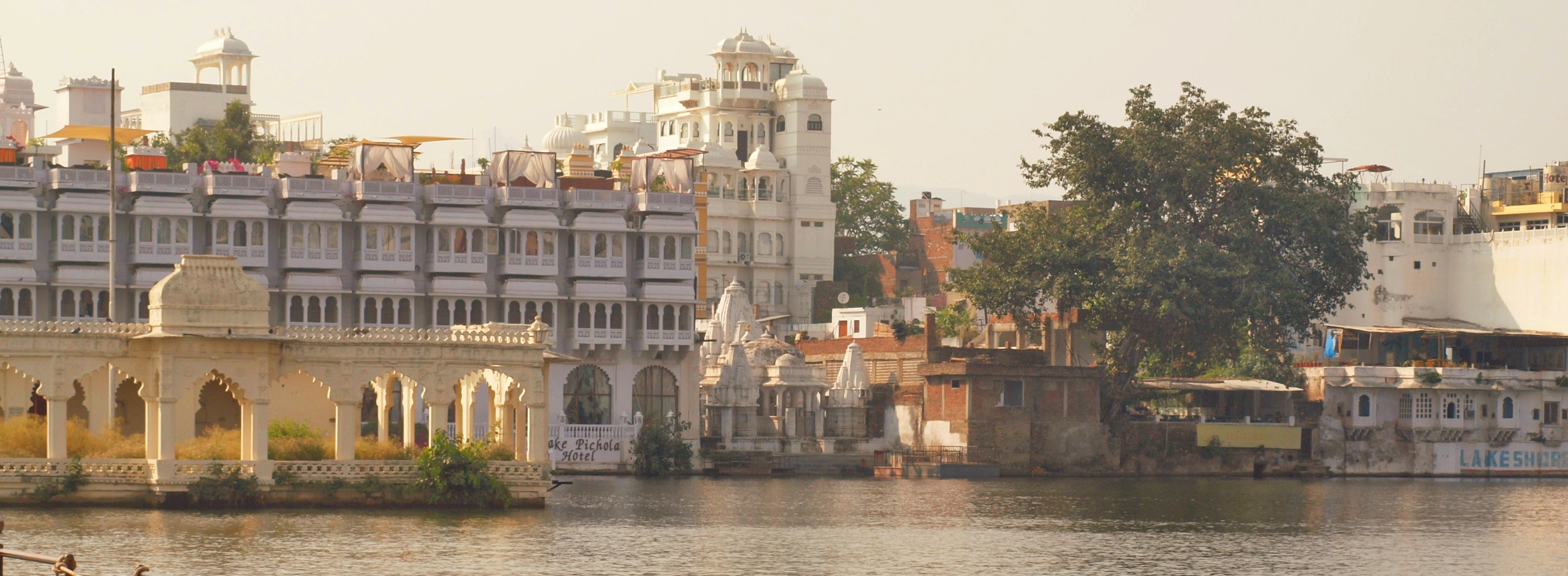
While other parts of my tale look at the human side and the physical and emotional experiences of the trip – and the biggest challenges were still to come – Udaipur offered us a chance to be relaxed and recharge our batteries.
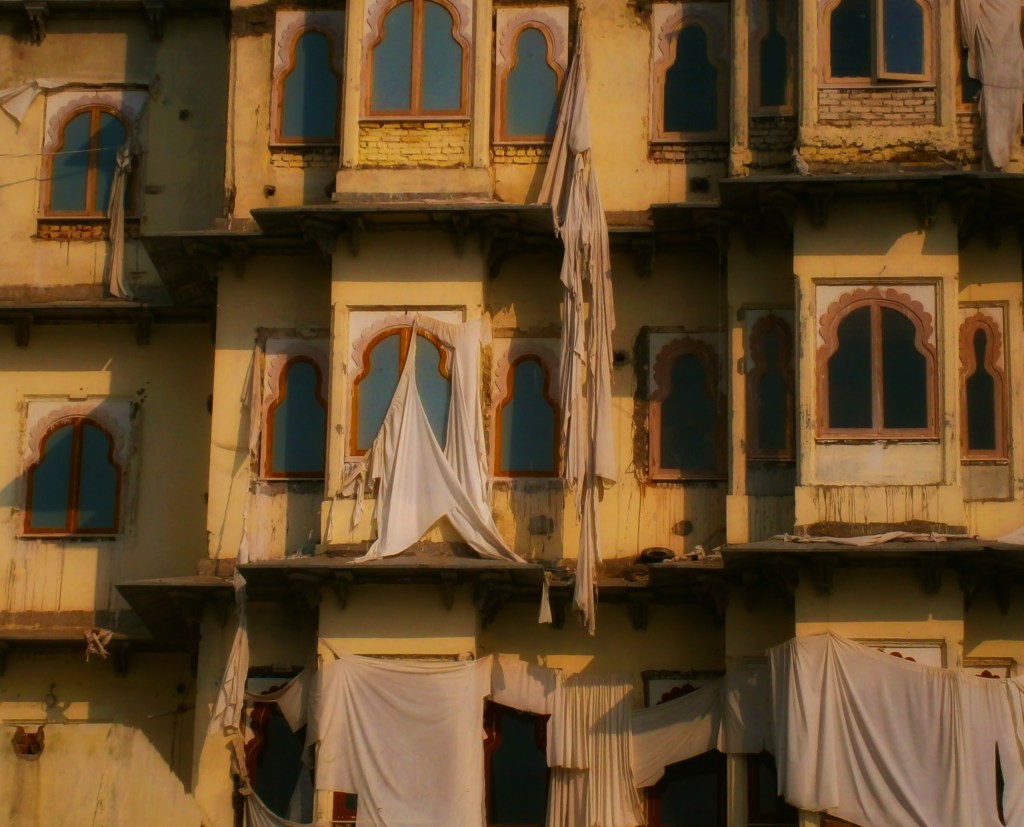
What follows are pictures of our few days in Udaipur, all by the waterfront, always as tourists. No deep-insight into the country just being observers.
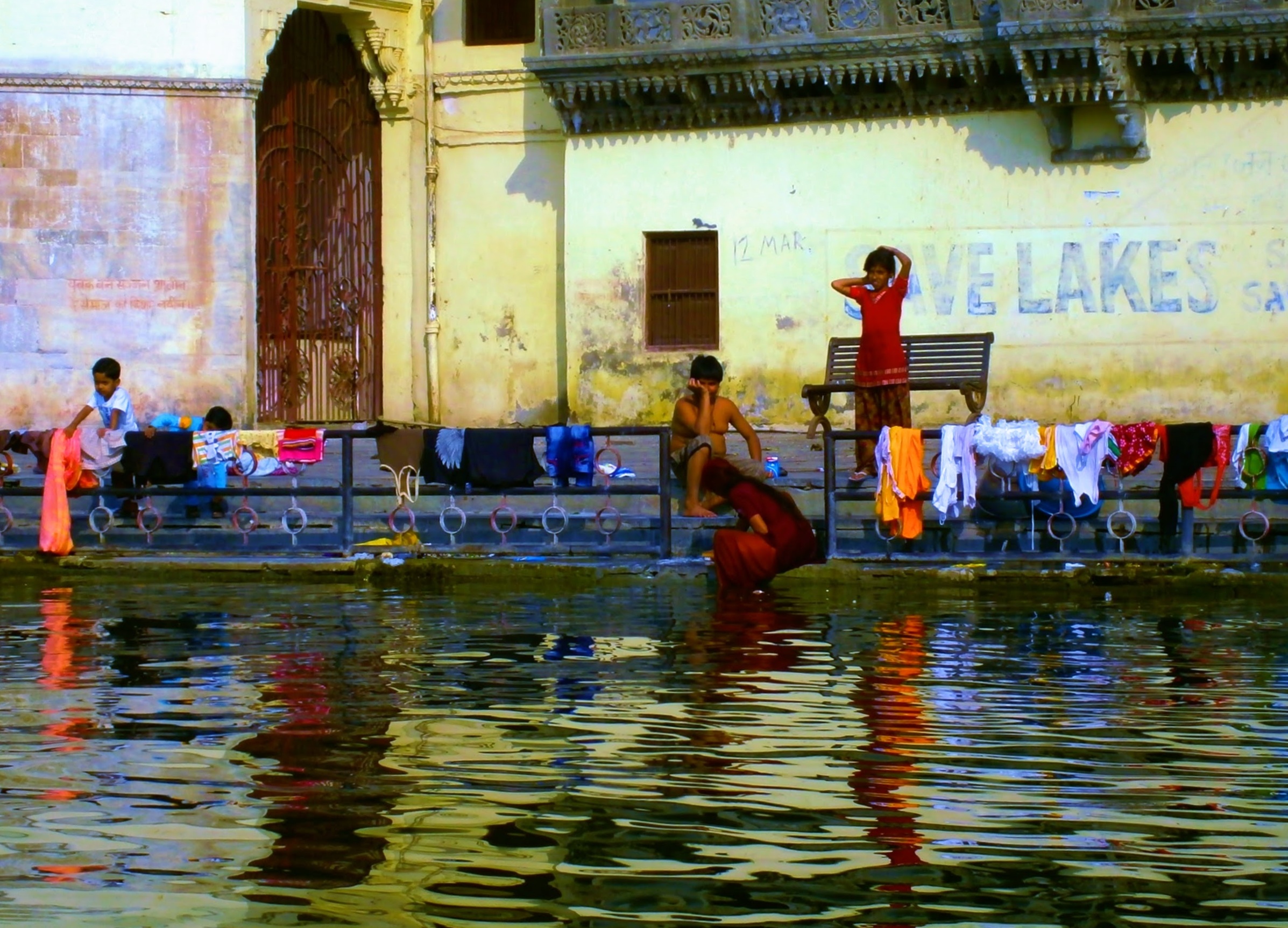
The lake is freshwater and man-made. It was created in 1362 and is an amazing example of what is possible. It is hard to imagine what we were able to do to this landscape so long ago. There is a proud palace that sits on the banks on the lake, telling the story of the region and uncovering some truths that we may have wanted hidden.
Watching the locals washing, or washing their clothes in the lake gave a sense of an India that we had not really seen. I suppose these were people living as close to the land as farmers, or even the slum dwellers we had visited. It was not unusual in the mornings to see men washing under taps on the side of the street. This advanced country will always have its complexities of class and tradition.
Being good tourists we took a boat trip across the lake to look at some of the interesting buildings.
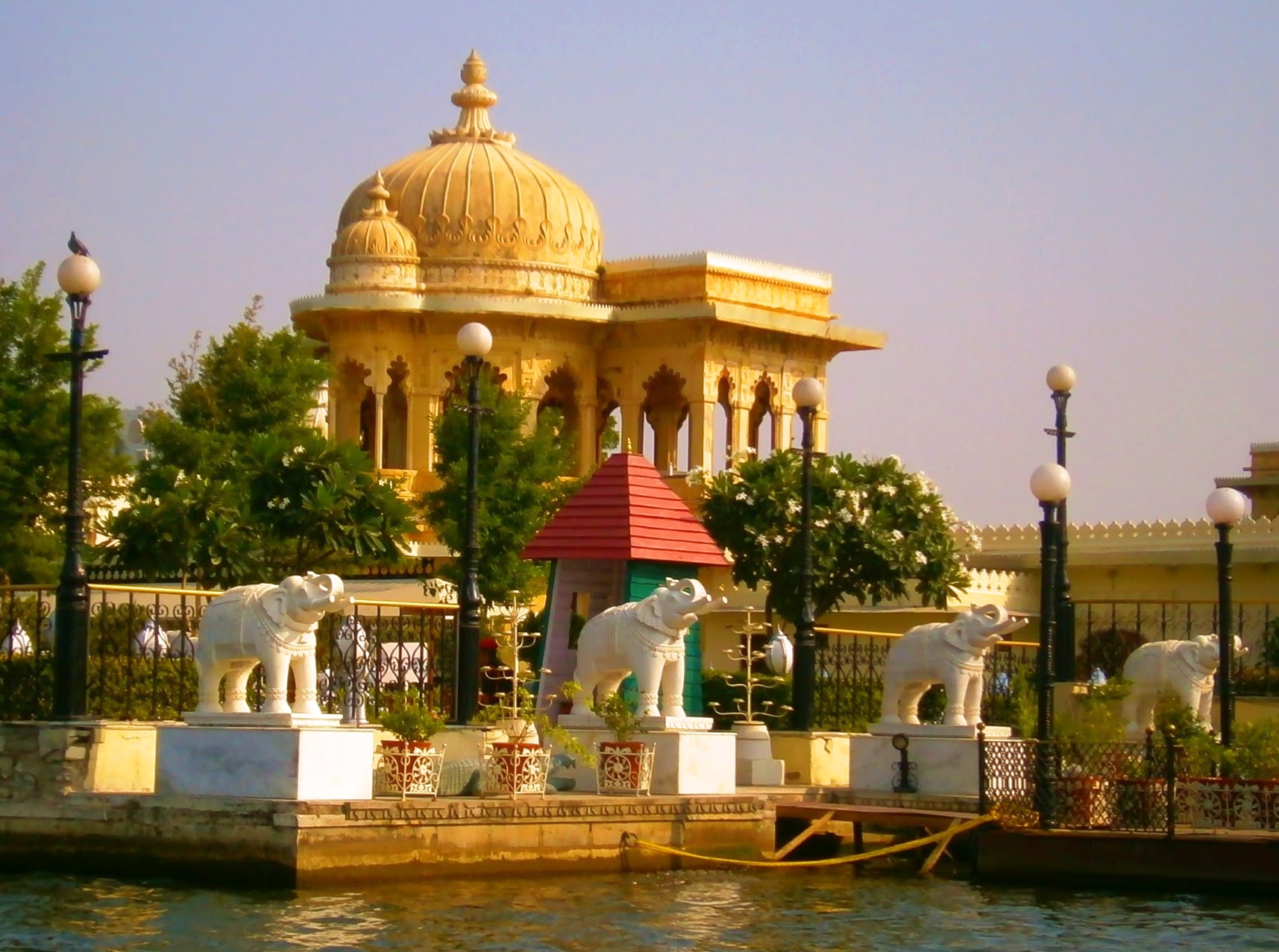
As a student of film I knew that the James Bond film “Octopussy” had a good proportion of the film set in and around Udaipur. The Jag Mandir Palace, while having a fine history set in the middle of the lake is more appealing when you know the baddie from an 007 lived there…once…in a film. The local traders play on the James Bond links. In the city there were countless references to the film and many restaurants and bars had display boards stating they were showing the film on a loop. “Curry and a Bond film”. We never did eat in one of these places but you cannot blame the locals for cashing in. I doubt Sir Roger Moore had my experiences on the Indian railways!
With a breeze across the lake we moved onto the largest and most dominant building.
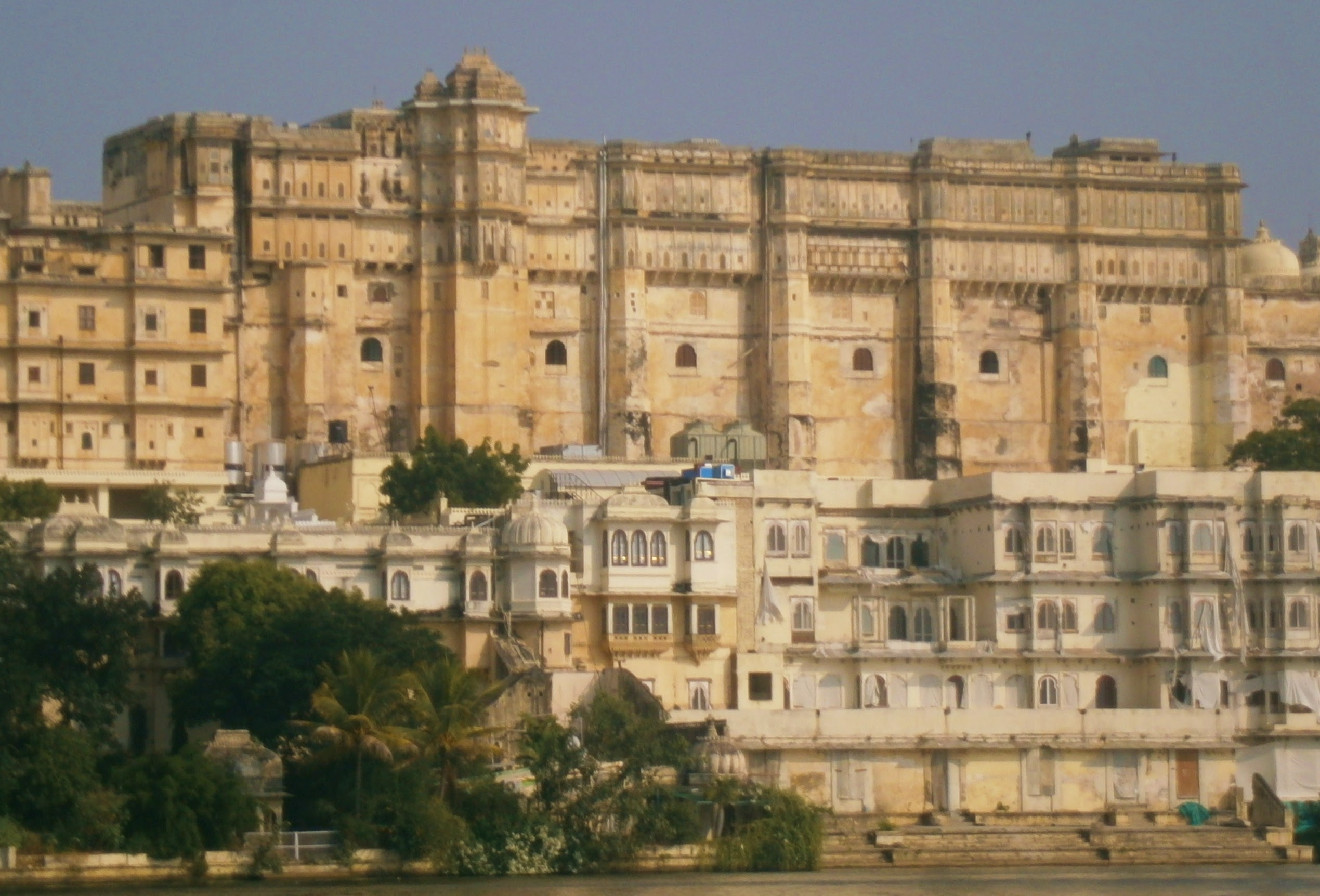
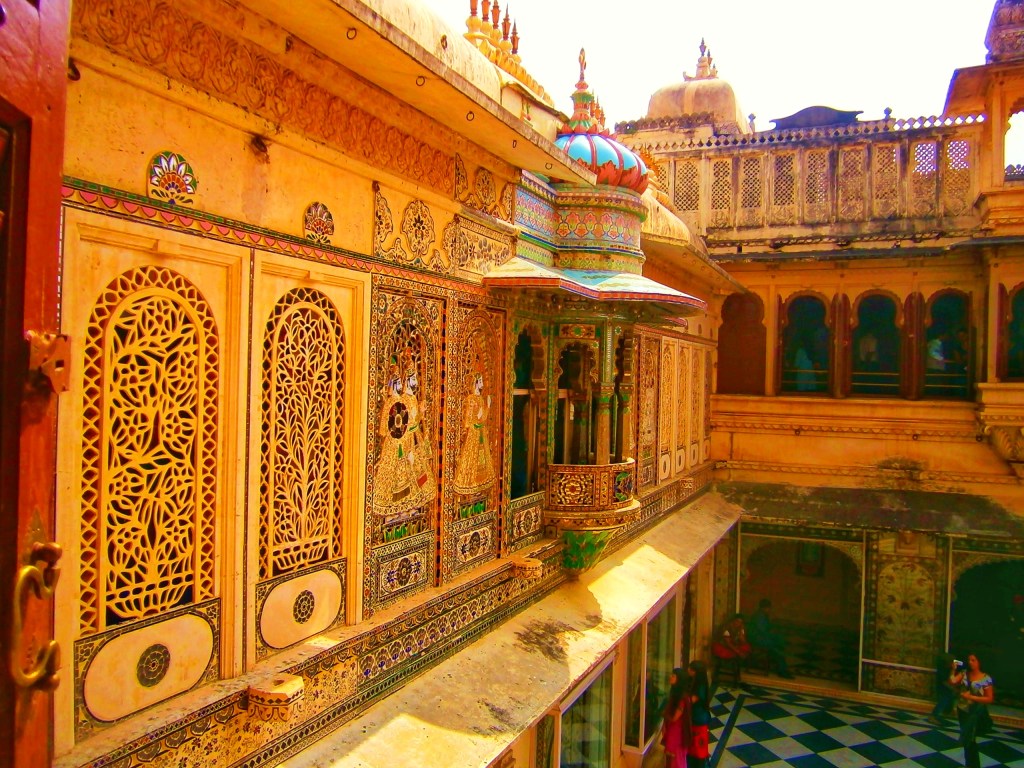
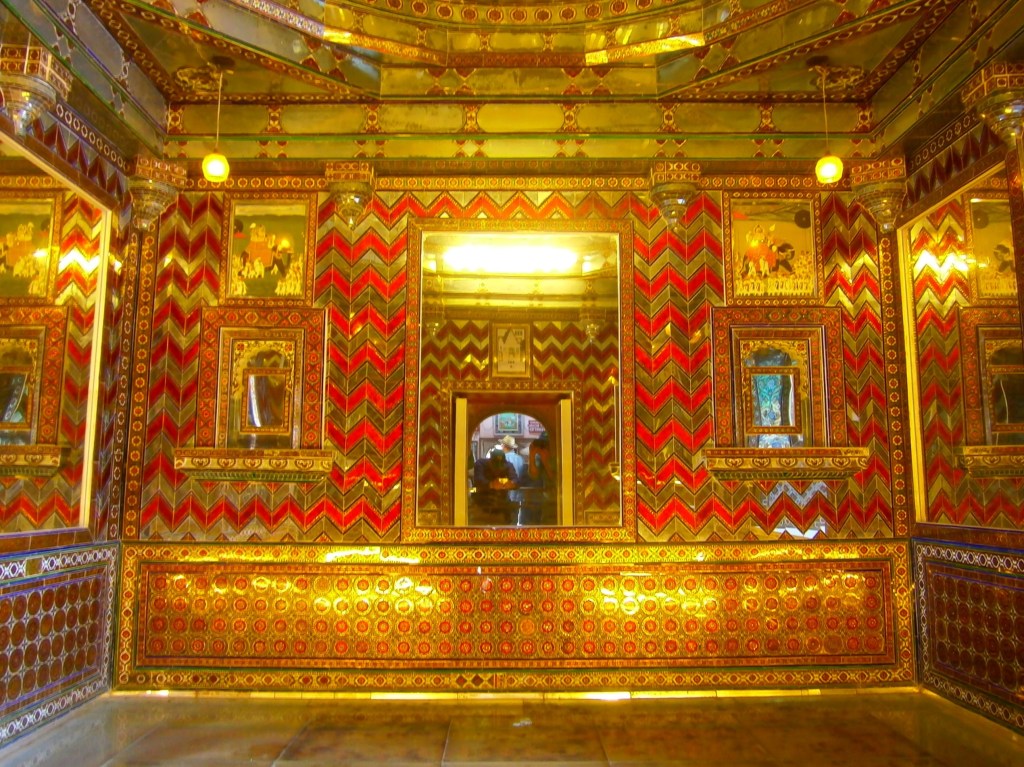
I was interested that there was some references to the British in India. Within a small section of the museum there were some artefacts to show our presence and the fact that these forts and palaces once flew the Union flag.
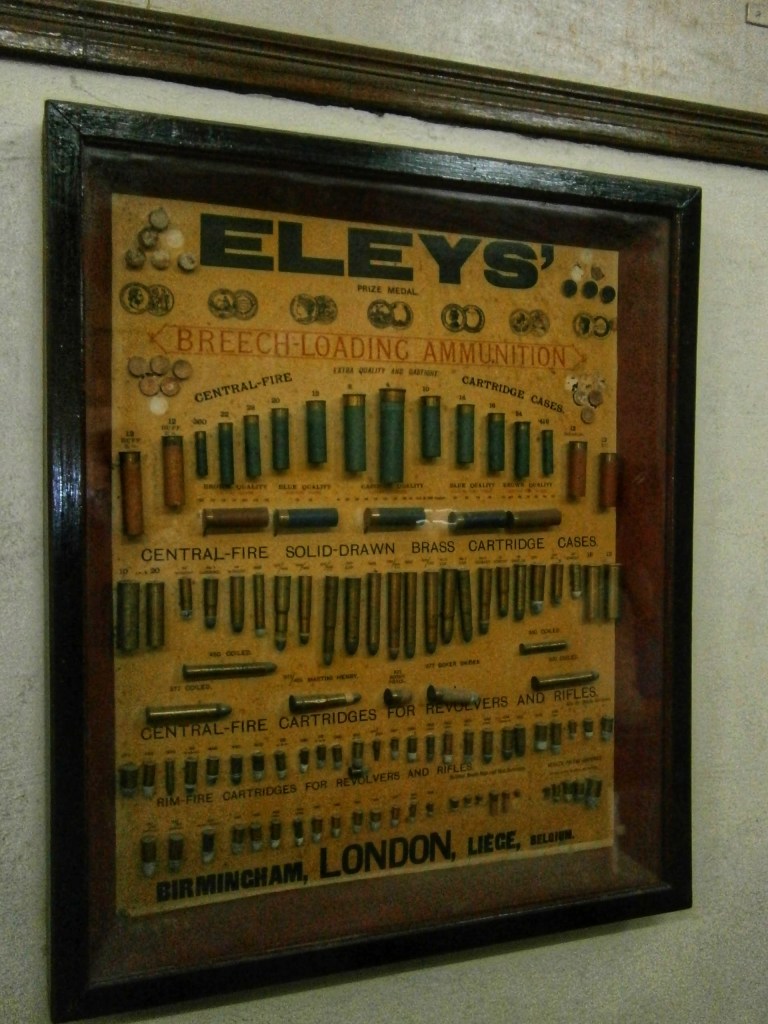
Cartridges imported from London. 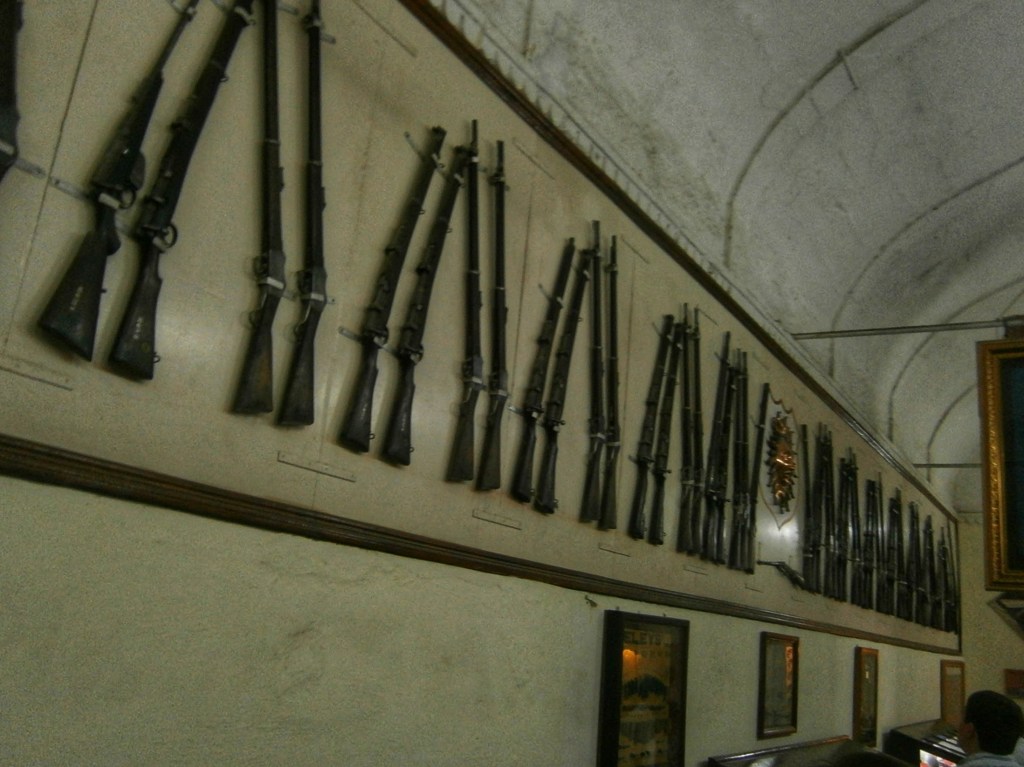
Rifles as imported by the British army.
Small reminders of the military control, it is hard to image the uniformed soldiers in this alien landscape, and how it took so long for India to gain its independence.
The Janist temple… show us your money…
A few of the group wanted to investigate the Janist temple that was just over the bridge from our hotel. It was an impressive building. We had been welcomed into a mosque in Delhi and I presumed we would have the same welcome here.
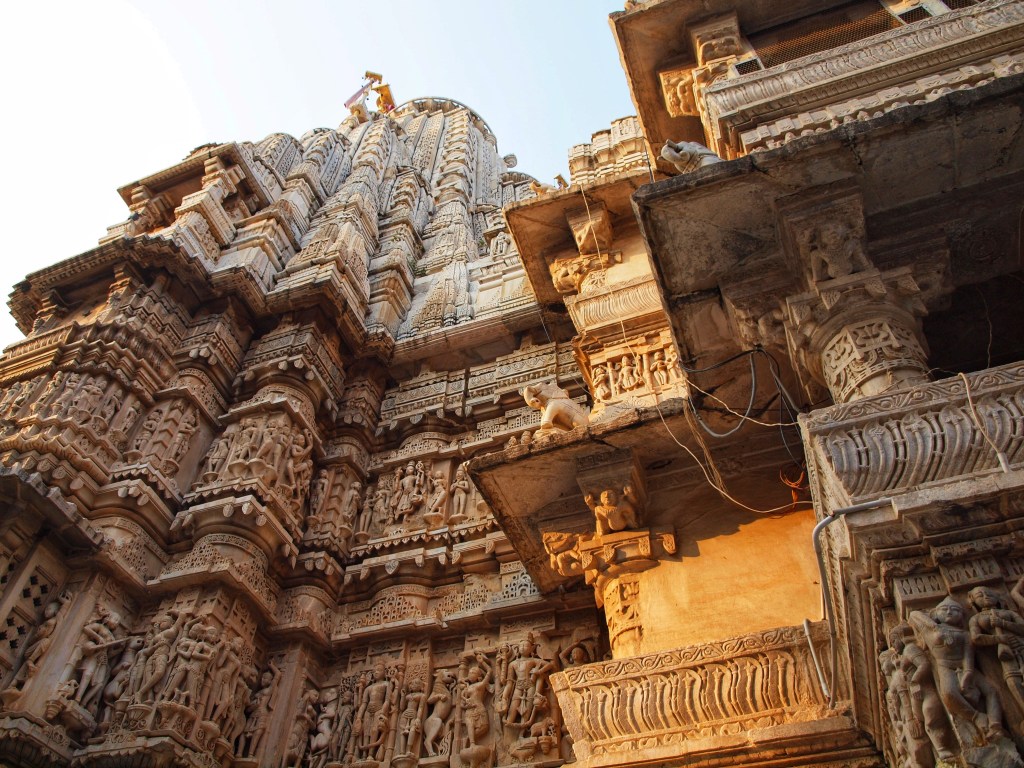
At the entrance we were greeted by a couple of men who motioned to us that we had to take our shoes off. They asked for some rupees so that they would be looked after. We moved into the building, before moving into the ‘altar’ we were asked for some rupees so that we could buy some flowers to place inside. As were ushered deeper inside we placed our flowers only to be asked for some rupees as a gift… by now this was not coming across as the most venerable visit to a religious building. As we left we came back to our shoe guardians who held their hands asking for payment so we could have our shoes back. I snapped, asked how much more money they wanted and grabbed our shoes from the wire rack. Such a shame for what should have been a positive experience.
A final experience to note was the drinking of alcohol. We allowed the students to drink beer while under our supervision. Usually this was not a problem for the restaurants. In Udaipur we had two interesting experiences. At one bar the beer were served in a tea pot and we had china cups. You were not allowed to use the term ‘beer’, you had to say ‘special tea’. On another occasion we had to keep bottles underneath the table behind a large tablecloth and only drink when we stooped down.
Udaipur had done its job, our next stop would be Agra and the Taj Mahal… and a downturn again in a poor hotel and an experience with two soldiers with large machine guns.
 Reluctant travels in India
Leave a reply to purbeck67 Cancel reply